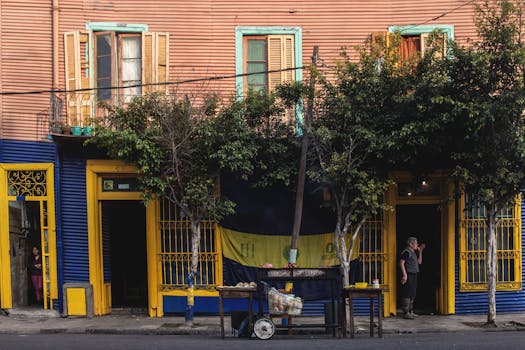

Buenos Aires
Argentina · 12events
Buenos Aires is the undisputed birthplace and global capital of tango, where the dance permeates daily life in a way found nowhere else on earth. With milongas running every night of the week across dozens of venues, the city offers an unparalleled immersion into authentic tango culture for dancers of all levels.
History
Tango emerged in the late 19th century in the working-class neighborhoods and port areas of Buenos Aires, born from a mix of European immigrant, African, and criollo influences. Initially danced in conventillos (tenement houses) and waterfront bars, it was considered scandalous by polite society until its acceptance in Parisian salons around 1913 lent it respectability back home. The Golden Age of tango (1930s-1950s) saw orchestras like those of Carlos Di Sarli, Juan D'Arienzo, and Osvaldo Pugliese fill grand dance halls across the city. After decades of decline during military rule, a powerful revival began in the 1990s that continues today, with Buenos Aires now hosting the annual Tango BA Festival and World Championship each August.
The Scene
The Buenos Aires milonga scene is vast, diverse, and deeply rooted in tradition. Traditional milongas like those in Villa Urquiza and Almagro strictly observe codes including the cabeceo (invitation by eye contact), tandas and cortinas, and counter-clockwise floor navigation. Younger, more informal milongas in Palermo and San Telmo relax these rules while keeping the musical tradition alive. Live orchestras perform regularly at top venues, and the overall level of dancing is extraordinarily high, with lifelong milongueros sharing the floor with visiting dancers from around the world. The city easily supports 20+ milongas on any given night, from afternoon matinees to events that run past 4 AM.
Practical Information
Venues & Neighborhoods
Almagro is the traditional heartland, home to Salon Canning (hosting milongas like Parakultural on Monday and Wednesday), Club Gricel, and El Beso (open daily from afternoon). San Telmo offers a bohemian vibe with La Catedral (Tuesday and Sunday) in a converted warehouse with high ceilings and eclectic decor. Palermo draws a younger crowd to La Viruta (Wednesday through Sunday, with live orchestras on Friday), one of the city's most popular and accessible milongas. Villa Urquiza maintains the most classic and elegant salon style, with experienced milongueros and strict codes. Abasto, near the famous market, has several mid-size venues popular with both locals and visitors.
Annual Highlights
Tango BA Festival and World Championship (Mundial de Tango)
The world's largest tango event, organized by the city government since 2003; two weeks of free classes, milongas, concerts, and the Tango de Pista and Tango Escenario world championships across 50+ venues with 2000+ artists
Buenos Aires Tango Marathon
Multi-day marathon format with extended milongas attracting international dancers
Summer season
Many visiting dancers come during Southern Hemisphere summer; outdoor milongas appear in parks and plazas
Weekly live orchestra milongas
Salon Canning, La Viruta (Friday), and other venues regularly feature live tango orchestras
Events in Buenos Aires
See all 12 →
Tiny Tango Retreat in Buenos Aires
Apr 11-25, 2026 · Buenos Aires, Argentina

Milonga Fusión Cultural - Tango Fénix
Apr 11, 2026 · Buenos Aires, Argentina
Festival de Tango en Merlo San Luis
Apr 14-18, 2026 · Buenos Aires, Argentina

Tango Klezmer Project in Classical and Modern
Apr 24-23, 2026 · Buenos Aires, Argentina

BA Tango Training Tour 2026
Jul 8-18, 2026 · Buenos Aires, Argentina
A&A BA Tango World Cup Tour
Aug 1-13, 2026 · Buenos Aires, Argentina
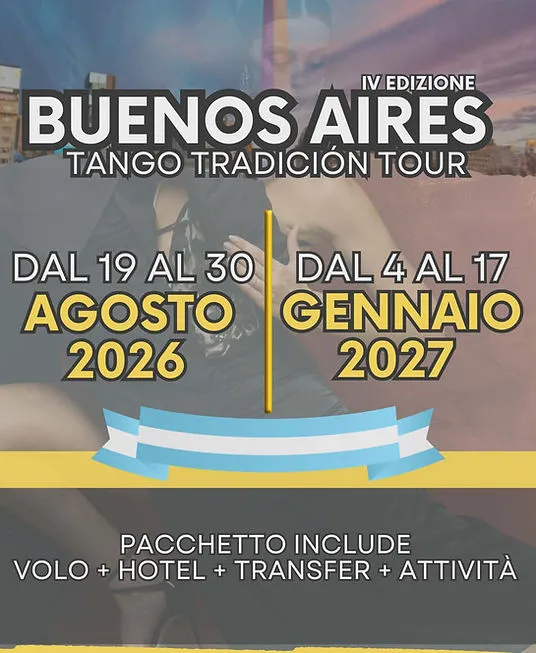
Buenos Aires Tour
Aug 19-30, 2026 · Buenos Aires, Argentina

Tango Holidays
Sep 17-29, 2026 · Buenos Aires, Argentina
Our Next Tango Adventure
Dec 5-14, 2026 · Buenos Aires, Argentina
Insider Tips
- ✨Learn the cabeceo before attending traditional milongas — approaching someone directly at the table to ask for a dance is considered poor etiquette at venues like Salon Canning or Club Gricel
- ✨Start with La Viruta or La Catedral if you are a beginner — these venues are welcoming to newcomers and have a relaxed atmosphere with pre-milonga classes included
- ✨Check Hoy Milonga (hoy-milonga.com) daily for the updated schedule, as milongas rotate between venues on different nights of the week
- ✨Bring separate dance shoes to change into at the venue — the wooden floors at traditional milongas are carefully maintained and outdoor shoes are frowned upon
- ✨The best local dancers often attend weeknight milongas (Tuesday-Thursday) when floors are less crowded; weekends attract more tourists
Where to Stay
Stay in Almagro or Villa Crespo to be within walking distance of the densest cluster of traditional milongas. San Telmo is ideal for atmosphere and proximity to bohemian venues. Palermo (especially Palermo Soho) offers the widest range of accommodation and is close to La Viruta. Avoid staying in La Boca, which is not safe at night despite its tango-tourism appeal during the day.
Compared to Other Cities
No other city compares to Buenos Aires for sheer depth and authenticity of tango culture. While Istanbul and European cities have vibrant scenes, Buenos Aires offers 50+ milongas per week, the world's highest concentration of elite social dancers, live orchestra traditions, and an entire cultural ecosystem — from shoe makers to tango clothing shops to dedicated tango radio stations — that exists nowhere else.